Signs Wildlife Has Moved Into Your Attic, Walls, or Crawl Space
If signs wildlife has moved into your attic, walls, or crawl space, local service providers can identify the problem and safely remove the animals.
Discovering signs that wildlife has moved into your attic, walls, or crawl space can be unsettling, but recognizing these indicators is an important first step for property owners. Common signs include strange noises at night or during quiet daytime hours, the presence of droppings or nesting materials, and unusual odors that may suggest animals have taken up residence. Addressing these issues promptly can help prevent potential damage to your home’s structure, insulation, and wiring, saving you time and costly repairs down the line. Local contractors experienced in wildlife removal can assess the situation, identify the species involved, and recommend effective solutions to safely and humanely resolve the problem.
Property owners in the area often explore this topic to protect their homes and maintain a comfortable living environment. Wildlife in hidden spaces can also pose health risks, especially if pests like rodents or raccoons are involved. Recognizing the early signs of an intrusion allows homeowners to seek professional assistance before the situation worsens. Local service providers specializing in wildlife removal offer expert guidance and humane exclusion methods to help ensure the animals are safely removed and your property is properly secured. Continuing to read can provide valuable insights into how to identify these signs and when to seek the help of trusted local experts.
- Wildlife removal from attics - when signs wildlife has moved into your attic, local contractors can assess entry points and safely remove animals.
- Wall cavity wildlife exclusion - if you notice strange noises or damage in walls, local service providers can identify and humanely remove the wildlife.
- Crawl space wildlife cleanup - signs wildlife has moved into your crawl space, such as droppings or odors, prompt local pros to handle removal and repairs.
- Animal trapping in residential spaces - when animals are trapped inside walls or attics, local contractors employ humane trapping methods to resolve the issue.
- Wildlife damage repair services - evidence of chewed wires or insulation indicates wildlife presence, and local experts can restore affected areas after removal.
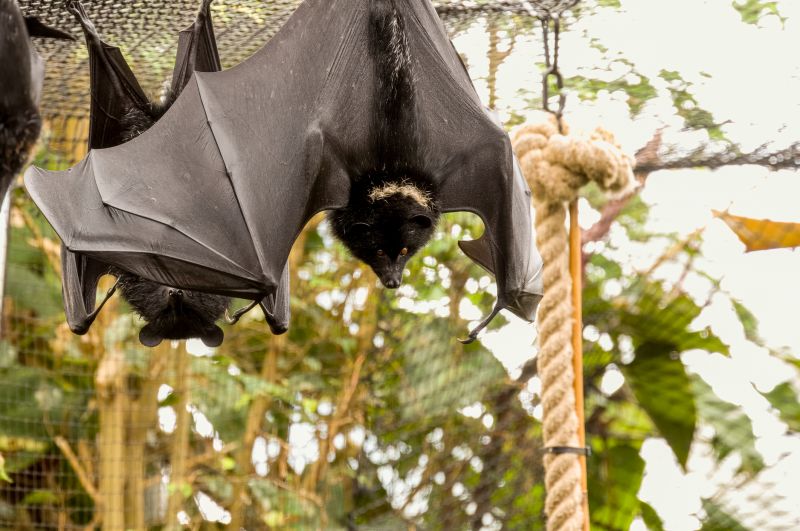
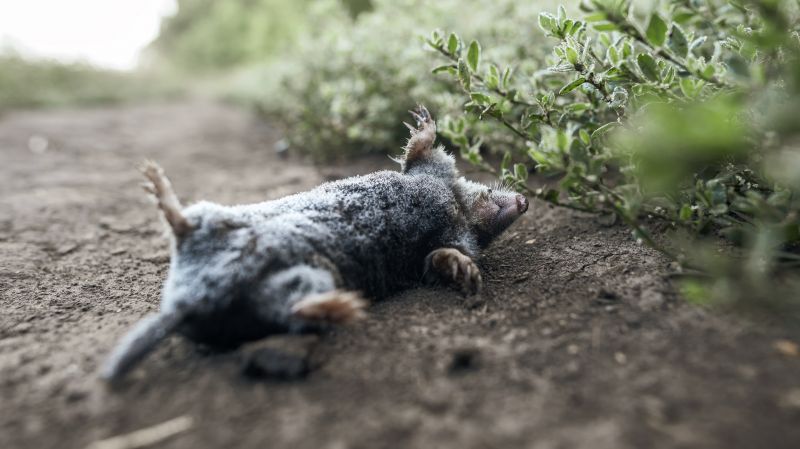
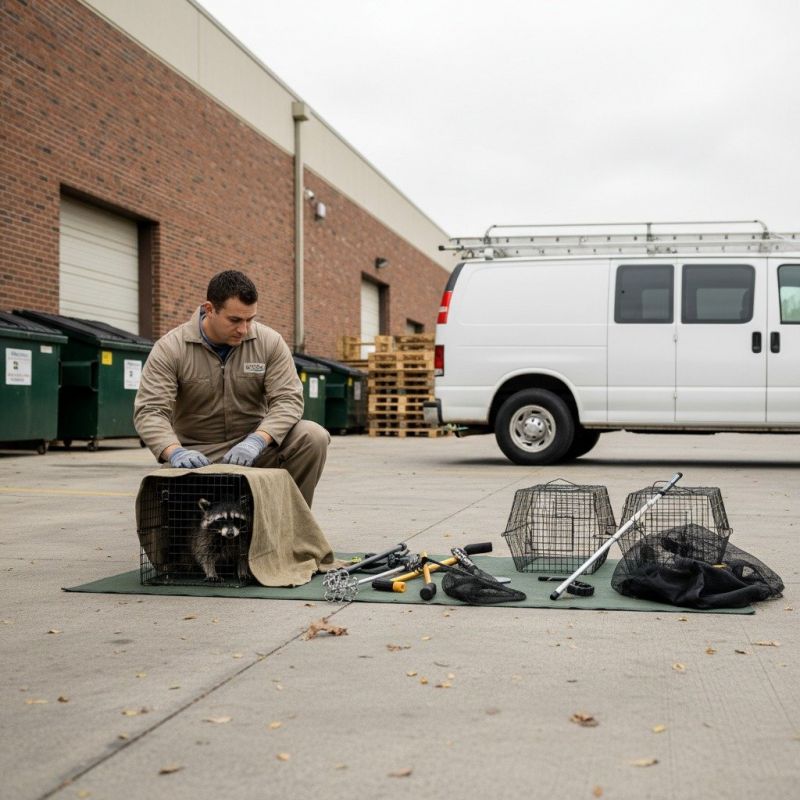
When homeowners notice unusual sounds or disturbances in their homes, they often search for signs wildlife has moved into your attic, walls, or crawl space. These signs typically include scratching, scurrying noises, or thumping sounds that occur during quiet times of the day or night. Additionally, visible droppings, nesting materials, or damaged insulation can indicate that animals such as raccoons, squirrels, bats, or rodents have established a presence inside these hidden areas. Recognizing these early signs helps homeowners understand that an animal invasion may be underway, prompting them to seek professional assistance to assess and address the situation.
The presence of wildlife inside a home can lead to various problems that require attention. Animals nesting in attics, walls, or crawl spaces can cause structural damage by gnawing on wood, wiring, or insulation. This damage not only jeopardizes the integrity of the property but can also pose fire hazards or lead to costly repairs. Moreover, wildlife can carry parasites and diseases that may spread to humans or pets, increasing health risks. Many property owners consider wildlife removal services as part of their plans to eliminate the intrusion, prevent further damage, and restore safety and comfort to their homes.
Properties that commonly encounter wildlife intrusion include single-family houses, especially those with accessible attics or crawl spaces, as well as multi-unit buildings like apartments or townhomes. Homes located near wooded areas, parks, or water sources are more vulnerable to animal entry due to the proximity of natural habitats. Additionally, older properties with gaps or deteriorated vents, soffits, or foundation openings are at a higher risk. Understanding the types of properties susceptible to wildlife invasions helps homeowners recognize the importance of regular inspections and timely intervention by experienced service providers.
Local wildlife removal service providers play a crucial role in addressing signs wildlife has moved into your attic, walls, or crawl space. These professionals are equipped to identify the specific species involved, safely remove the animals, and implement exclusion measures to prevent future intrusions. Their expertise ensures that the removal process is humane and effective, reducing the likelihood of animals returning and minimizing property damage. For homeowners noticing early signs of wildlife presence, connecting with experienced local contractors can help develop a comprehensive plan to resolve the issue and protect the home’s integrity.
Attic insulation installation - professionals may need to remove or replace insulation if wildlife has damaged it, requiring similar planning and tools used in wildlife removal.
Pest-proofing and sealing services - these projects involve identifying entry points and sealing gaps, which is essential in preventing wildlife from re-entering after removal.
Structural repairs and damage restoration - wildlife can cause significant damage to walls or crawl spaces, and repair work involves similar assessment and repair skills as wildlife exclusion.
Ventilation and ductwork cleaning - wildlife often contaminates duct systems, and cleaning these involves understanding of attic and crawl space access points.
Crawl space encapsulation - sealing and insulating crawl spaces is related to wildlife exclusion, aiming to prevent future intrusion and moisture issues.
Rodent-proofing and exclusion services - these projects focus on blocking entry points and removing pests, aligning closely with wildlife removal techniques and planning.
When evaluating wildlife removal services to address signs wildlife has moved into your attic, walls, or crawl space, it is important to consider the experience of local contractors with similar projects. Experienced service providers will have a better understanding of how different animals behave and the most effective methods for humane removal. They can identify the specific species involved and tailor their approach accordingly, reducing the risk of damage or incomplete removal. Asking about previous work with properties similar to yours can help ensure that the contractor has the practical knowledge needed to handle your situation effectively.
Clear written expectations are essential when selecting a wildlife removal service. A reputable contractor should provide detailed information about the scope of work, removal procedures, and any necessary repairs or exclusions. This transparency helps homeowners understand what to expect and can prevent misunderstandings later on. It is also a good idea to inquire whether the service provider offers a written plan for sealing entry points and preventing future invasions, ensuring the problem is addressed thoroughly and sustainably.
Good communication and reputable references are key indicators of a trustworthy wildlife removal service. Service providers who are willing to share references or testimonials demonstrate confidence in their work and can offer insights into their reliability and professionalism. Open, responsive communication throughout the process ensures that homeowners can ask questions, express concerns, and stay informed about progress. When selecting a local contractor, prioritizing those with strong reputations and clear communication can lead to a smoother experience and more effective resolution of signs wildlife has moved into your attic, walls, or crawl space.
Property owners often search for signs wildlife has moved into your attic, walls, or crawl space when they are planning practical projects around their homes and businesses. Local pros provide Wildlife Removal services for everyday jobs and straightforward project options.
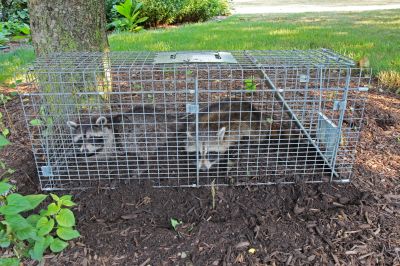
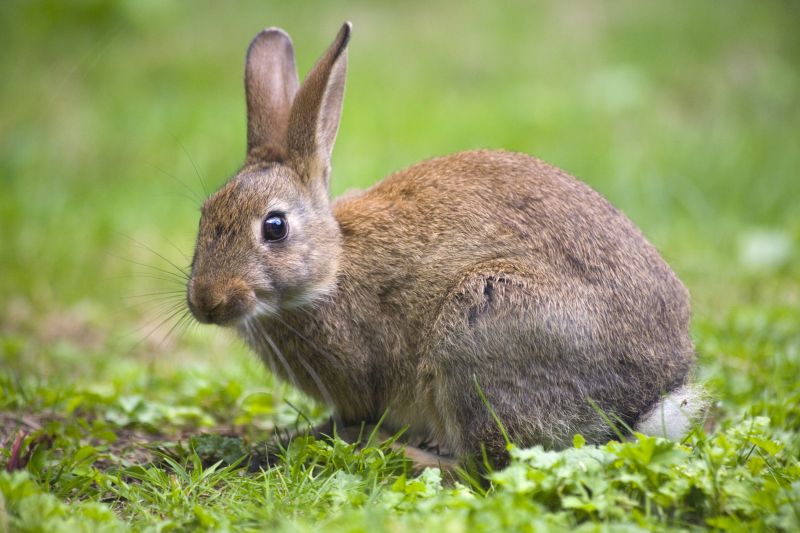
Recognizing signs wildlife has moved into your attic, walls, or crawl space can often be straightforward for property owners who notice unusual sounds or disturbances. Common indicators include scratching or scurrying noises, especially during nighttime hours, as animals like raccoons, squirrels, or bats become active. Other signs might be droppings, chewed wiring or insulation, or strange odors emanating from hidden spaces. When these clues appear, it’s a clear signal that wildlife has taken up residence within hard-to-reach areas, prompting property owners to seek the expertise of local contractors experienced in wildlife removal.
In many cases, property owners might also observe structural damage or discover entry points where animals are getting inside. Visible holes, gaps around vents or eaves, or chewed openings can serve as evidence of an animal’s access. These signs often lead to a realization that professional wildlife removal services are needed to safely and effectively address the situation. Local service providers are equipped to handle these issues, helping property owners resolve wildlife intrusions and prevent future occurrences.
What are common signs wildlife has moved into your attic, walls, or crawl space? You might notice scratching sounds, droppings, or unusual odors indicating animals have taken up residence in hidden areas of your home.
How can I tell if animals are active inside my walls or attic? Visible damage such as chewed wiring, holes, or nesting materials, along with sounds during evening hours, can suggest wildlife presence.
Are there specific signs that indicate wildlife has entered my crawl space? Signs include foul smells, droppings, or tracks near vents and access points leading to the crawl space area.
What should I do if I suspect wildlife has moved into my home? It’s recommended to have local contractors assess the situation and handle safe removal and exclusion of the animals.
Why is it important to address signs of wildlife in my home promptly? Prompt action can prevent property damage, reduce health risks, and ensure wildlife is safely and humanely removed by professionals.
Identify unusual noises - listening for scratching, scurrying, or thumping sounds can help pinpoint where wildlife has moved into your attic, walls, or crawl space, guiding the need for professional removal services.
Inspect for droppings and nesting materials - noticing droppings, shredded insulation, or nesting debris may indicate wildlife activity that local contractors can address safely.
Look for signs of entry points - gaps, holes, or vents around the exterior of the property can serve as access points for animals, and wildlife removal experts can seal these openings afterward.
Monitor for foul odors or damage - persistent smells or chewed wiring and insulation can signal wildlife presence, prompting professional evaluation and removal from service providers.
If you are thinking about signs wildlife has moved into your attic, walls, or crawl space for a property, this guide is meant to help you understand this topic, the typical project types, and how different options might fit your plans.
When you are ready, you can use the quote form on this page to share a few details about your project. From there, local pros can review the basics and follow up with options that match what you have in mind.