Why Humane Wildlife Removal Is Important for Property and Animal Safety
Humane wildlife removal helps protect property and animals by safely removing pests like raccoons, squirrels, and bats, with local service providers ensuring effective and ethical solutions.
Understanding why humane wildlife removal is important for property and animal safety is essential for property owners facing unwanted animal intrusions. Animals such as raccoons, squirrels, bats, and birds can cause significant property damage, introduce health risks, and create safety hazards if not managed properly. Addressing these issues through humane removal methods helps ensure that animals are relocated responsibly while protecting the structural integrity of the property. Local service providers specializing in humane wildlife removal are equipped to handle these situations effectively, offering solutions that prioritize both property preservation and animal well-being.
Property owners in the area who notice signs of wildlife activity or experience repeated animal intrusions may find it beneficial to explore humane wildlife removal options. These professionals can assess the situation, identify entry points, and implement humane strategies to remove animals safely. Connecting with local contractors skilled in humane removal not only helps prevent future property damage but also reduces the risk of potential health concerns associated with wildlife. Keep reading to learn more about how humane wildlife removal can contribute to property protection and animal safety, and discover the services available to assist with these needs.
- Bird removal - when birds have nested in attic vents or eaves, local contractors can safely remove them and prevent future entry.
- Bat exclusion - if bats are roosting in walls or attics, local service providers use humane methods to remove them and seal entry points.
- Squirrel removal - in cases where squirrels have taken up residence in chimneys or roof spaces, local pros can humanely relocate them and secure the property.
- Raccoon removal - when raccoons are found in crawl spaces or behind siding, local contractors implement humane removal strategies to protect both animals and property.
- Skunk removal - if skunks are under decks or sheds, local service providers can safely remove them and help prevent odor and damage issues.
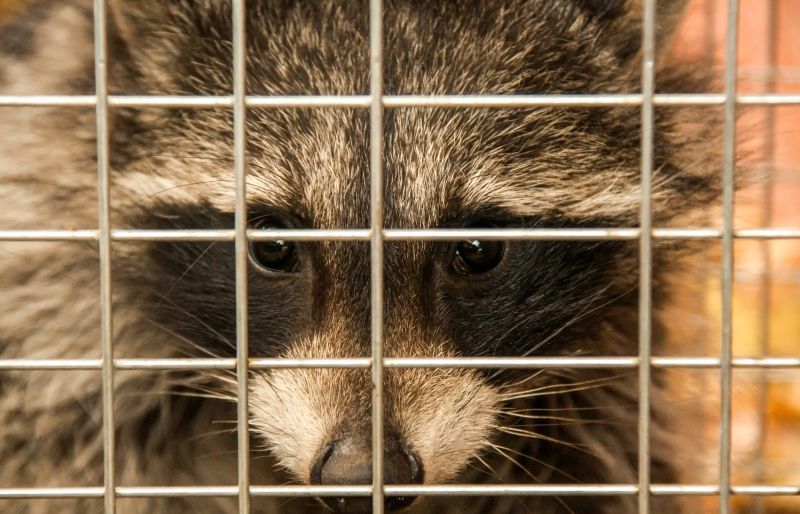
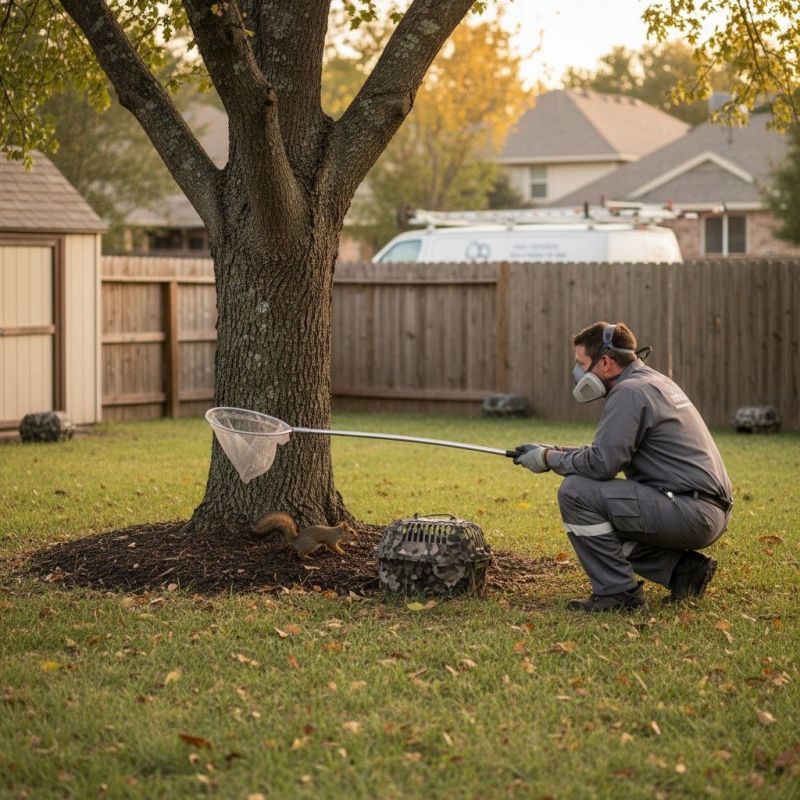
When people search for why humane wildlife removal is important for property and animal safety, they are often concerned about the presence of animals like raccoons, squirrels, bats, or birds taking shelter in or around their homes and businesses. These searches typically relate to issues such as animals nesting in attics, burrowing under decks, or roosting in chimneys, which can lead to property damage or health concerns. Property owners want humane solutions that prevent animals from causing further harm while ensuring that the animals are safely removed without unnecessary harm. Understanding the importance of humane wildlife removal helps homeowners prioritize ethical practices that respect animal welfare and reduce the risk of future infestations.
This topic often connects to plans for property maintenance, renovation, or pest control efforts. When animals invade a property, they can cause structural damage, contaminate insulation, or leave behind droppings that pose health risks. Homeowners might be considering repairs or upgrades and want to ensure that wildlife is removed humanely before starting work. Additionally, some property owners seek preventative measures to keep animals from re-entering, making humane wildlife removal a key part of long-term property care. Local service providers can assist with these projects by offering humane removal and exclusion services that protect both the property and the animals involved.
The types of properties that typically come up in these searches include residential homes, especially those with attics, garages, or rooflines that provide easy access for wildlife. Commercial properties like warehouses, barns, or storage facilities are also common, particularly in rural or semi-rural areas where animals can easily find shelter. In urban settings, parks, schools, and public buildings may also experience wildlife issues, especially with birds or bats roosting in structures. Regardless of property type, humane wildlife removal aims to resolve conflicts effectively while minimizing stress and harm to the animals, often involving local contractors who specialize in ethical removal and exclusion techniques.
For homeowners and property managers, understanding why humane wildlife removal is important for property and animal safety highlights the need for professional assistance. Local service providers are equipped to handle a wide range of wildlife issues, ensuring animals are removed safely and humanely. They also offer solutions to prevent future invasions, protecting the property’s integrity and reducing the likelihood of recurring problems. Connecting with experienced pros helps property owners address wildlife conflicts responsibly, promoting a safe and humane approach that benefits both the property and the animals involved.
Bird control projects - these involve installing deterrents and exclusion devices to prevent birds from nesting on properties, which aligns with humane wildlife removal practices to protect both animals and structures.
Rodent exclusion services - these projects focus on sealing entry points and implementing humane trapping methods, similar to wildlife removal efforts that prioritize animal safety and property integrity.
Bat removal and exclusion - professionals use specialized techniques to safely remove bats and prevent future entry, directly relating to humane approaches for protecting both animals and property.
Squirrel proofing services - these involve identifying and sealing squirrel entry points, requiring planning and tools comparable to those used in humane wildlife removal.
Pest proofing projects - comprehensive efforts to block access for various pests, which often include humane removal methods for larger animals that threaten property or safety.
Wildlife habitat modification - projects that modify landscapes to discourage animal nesting, employing planning and skills similar to humane wildlife removal to ensure safety and property protection.
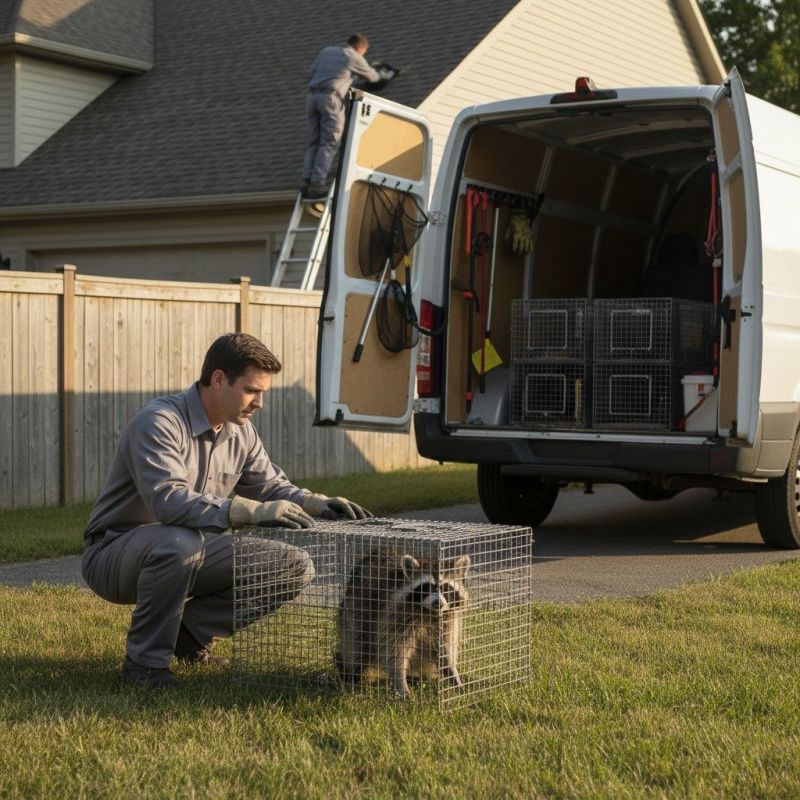
When comparing local contractors for humane wildlife removal, it is important to consider their experience with similar projects. A service provider that has handled wildlife removal in residential settings can better understand the unique challenges that may arise on a homeowner’s property. Experience often correlates with familiarity in identifying different species, implementing effective removal strategies, and ensuring that animals are relocated safely and humanely. This background can contribute to a smoother process and help ensure that the removal is done effectively, reducing the likelihood of recurring issues.
Clear written expectations are essential when selecting a wildlife removal service. Reputable local contractors typically provide detailed descriptions of their services, outlining what the removal process involves, what steps are taken to prevent future intrusions, and how animals are handled throughout the process. Having this information in writing helps homeowners understand what to expect and provides a basis for transparency. It also facilitates better communication, ensuring that both parties are aligned on the scope of work and the methods used, which is especially important when considering humane wildlife removal practices.
Reputable references and good communication are key factors to consider when evaluating local service providers. References from previous clients can offer insights into the contractor’s reliability, professionalism, and adherence to humane removal methods. Additionally, a service provider that communicates clearly and promptly can help address questions or concerns throughout the project, fostering confidence in their approach. Choosing a contractor that values open dialogue and has a track record of satisfied clients can contribute to a positive experience and the effective resolution of wildlife issues, ultimately supporting property and animal safety.
Property owners often search for why humane wildlife removal is important for property and animal safety when they are planning practical projects around their homes and businesses. Local pros provide Humane Wildlife Removal services for everyday jobs and straightforward project options.
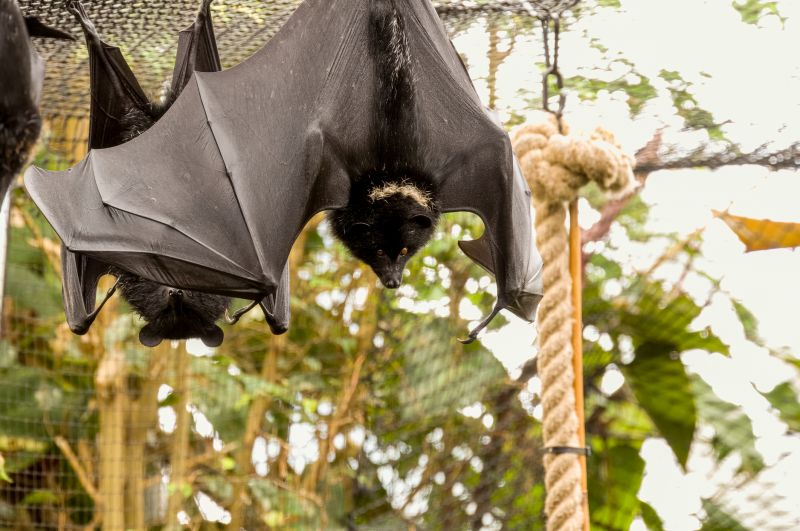
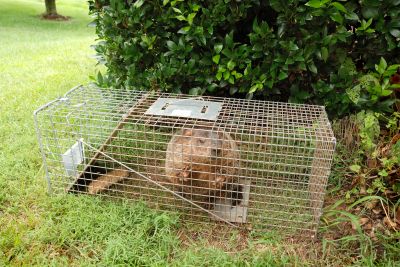
Humane wildlife removal is a crucial consideration for property owners dealing with animals such as raccoons, squirrels, or bats that have taken up residence on or around their property. When animals enter attics, crawl spaces, or other hidden areas, they can cause damage to structures, wiring, and insulation, leading to costly repairs. Engaging with local service providers who specialize in humane removal ensures that animals are safely and ethically relocated without harm, helping to prevent further property damage and reducing the risk of animal-related issues like nesting or droppings.
In addition to protecting the property, humane wildlife removal plays an important role in maintaining safety for both residents and animals. Animals that are trapped or removed improperly can become aggressive or distressed, creating potential safety hazards. Local contractors experienced in humane techniques can handle the situation responsibly, minimizing stress for the animals and preventing potential conflicts or health concerns. Choosing professional services helps property owners address wildlife issues effectively while adhering to humane practices that respect animal well-being.
Why is humane wildlife removal important for property safety? Humane wildlife removal helps prevent property damage caused by animals such as chewed wiring, nesting in insulation, or structural harm, while ensuring animals are relocated safely without harm.
How does humane wildlife removal contribute to animal safety? It ensures animals are handled ethically and safely, reducing the risk of injury to both animals and people during removal processes.
What role do local contractors play in humane wildlife removal? Local contractors provide expert services to humanely remove and relocate wildlife, helping property owners address animal issues responsibly and effectively.
Why should property owners choose humane wildlife removal over lethal methods? Humane removal minimizes suffering for animals and reduces legal or environmental concerns, making it a safer choice for property and animal safety.
How can humane wildlife removal protect the property from future animal-related issues? Professionals can identify entry points and implement exclusion measures, preventing animals from returning and causing further damage or safety hazards.
Identify entry points - property owners can inspect their buildings for gaps or holes and have local contractors seal them to prevent animal entry.
Implement humane exclusion methods - using humane traps and barriers, property owners can work with local pros to safely remove wildlife without harm.
Maintain clean surroundings - removing food sources and clutter around the property reduces attractants, with local pros advising on effective cleanup strategies.
Schedule regular inspections - periodic checks by local wildlife removal specialists help ensure wildlife does not re-enter or cause damage.
If you are thinking about why humane wildlife removal is important for property and animal safety for a property, this guide is meant to help you understand this topic, the typical project types, and how different options might fit your plans.
When you are ready, you can use the quote form on this page to share a few details about your project. From there, local pros can review the basics and follow up with options that match what you have in mind.